Table of Contents
ToggleTherapeutic Pilates is a modified, low-impact style of Pilates that focuses on controlled movement, breath, and core stability, adapted to suit an individual’s body, goals, and any injuries or health considerations. It’s commonly used to build strength and mobility, ease everyday stiffness, and support the body before or after periods of injury, surgery, or inactivity. At Pilates360, therapeutic Pilates is offered across both the Neutral Bay and St Leonards’ studios on Sydney’s Lower North Shore.
Quick Answer
Therapeutic Pilates is Pilates that has been adapted to an individual’s specific needs, rather than taught as a one-size-fits-all class. It draws on the same core principles as traditional Pilates breath, alignment, and controlled movement but exercises are chosen and modified around a person’s current ability, goals, or any injuries. It’s commonly used for building strength, easing stiffness, improving mobility, and supporting the body during recovery.
What Does “Therapeutic” Actually Mean in Pilates?
The word “therapeutic” simply means the class is being tailored with a specific outcome in mind whether that’s easing tightness in the lower back, rebuilding strength after time off, or improving balance as part of healthy ageing. It doesn’t mean the class is a form of medical treatment. Instead, it describes an approach: exercises are chosen thoughtfully, movements are modified where needed, and the pace is set by what the individual’s body can currently manage.
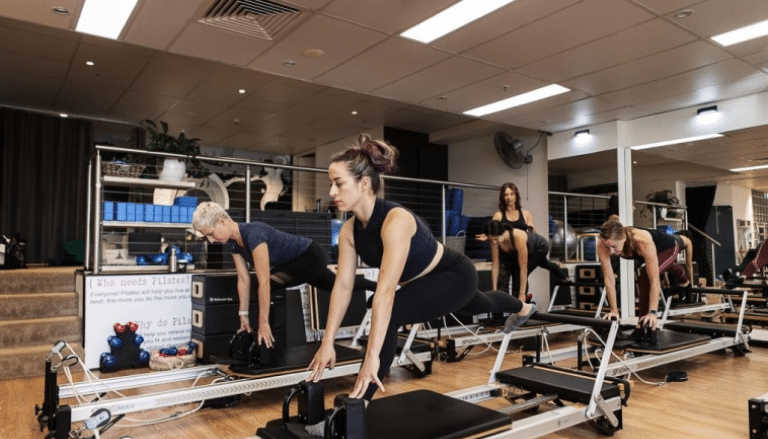
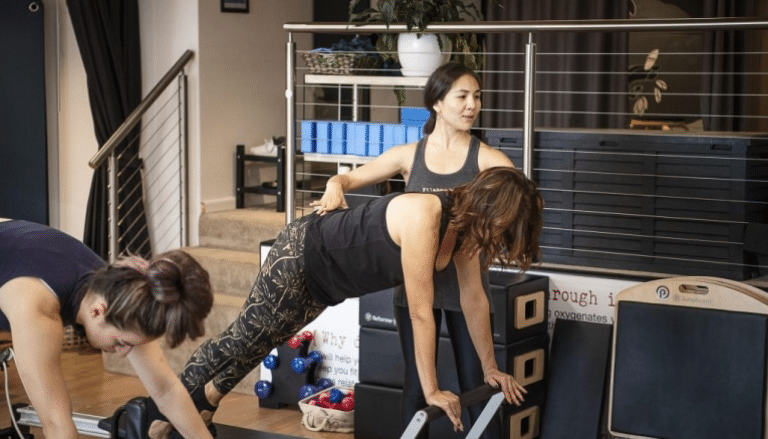
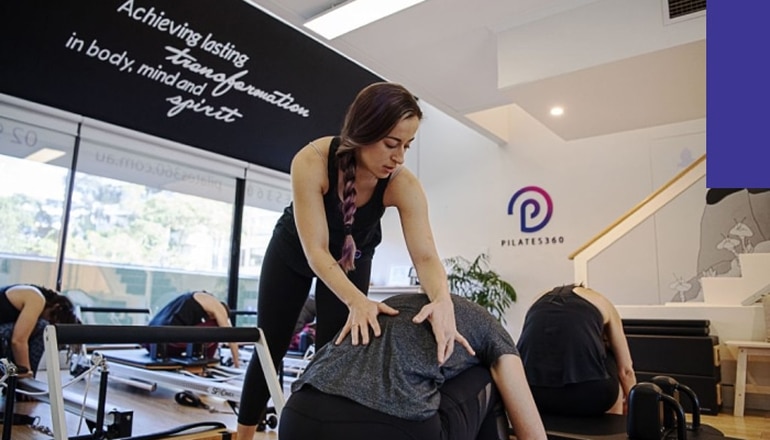
This is different from a general fitness class, where everyone in the room typically follows the same sequence regardless of individual history or limitations. At Pilates360’s Neutral Bay and St Leonards studios, this individual approach is built into how classes are taught, with small group sizes that allow instructors to adjust exercises for each person.
Is Therapeutic Pilates the Same as Clinical Pilates?
The two terms are often used interchangeably in Australia. Both generally describe Pilates that has been adapted around an individual’s needs, rather than a fixed class format. Some studios use “clinical Pilates” specifically when a class is being run in a health or physiotherapy setting, while “therapeutic Pilates” is often used more broadly but the underlying approach is very similar.
The Core Principles Behind Therapeutic Pilates
Regardless of the specific exercises used, therapeutic Pilates tends to be built around a few consistent principles:
- Breath: Coordinating breathing with movement to support control and focus
- Alignment: Paying close attention to posture and joint position throughout each exercise
- Core engagement: Building stability from the centre of the body outward
- Control over speed: Favouring slow, deliberate movement over fast repetitions
- Individual modification: Adjusting range, resistance, or position to suit the person
Benefits of Therapeutic Pilates
While results vary from person to person, therapeutic Pilates is commonly associated with a number of potential benefits.
| Benefit | What It May Involve |
| Core strength | Building stability through the abdominals, back, and pelvic floor |
| Improved mobility | Gently working through a fuller, more comfortable range of motion |
| Better posture | Encouraging alignment habits that carry into everyday life |
| Balance and coordination | Supporting stability, particularly valued by older adults |
| Body awareness | Helping people notice and adjust how they move day to day |
| Gradual strength building | Progressing load and difficulty at a pace that suits the individual |
It’s worth noting that therapeutic Pilates is generally considered a supportive, complementary activity rather than a replacement for medical treatment. Anyone managing a specific injury, condition, or post-surgical recovery should check with their doctor or physiotherapist before starting.
Common Therapeutic Pilates Exercises
Exercises used in a therapeutic Pilates class will vary depending on the person and the equipment available, but some commonly used movements include:
Mat-Based Exercises
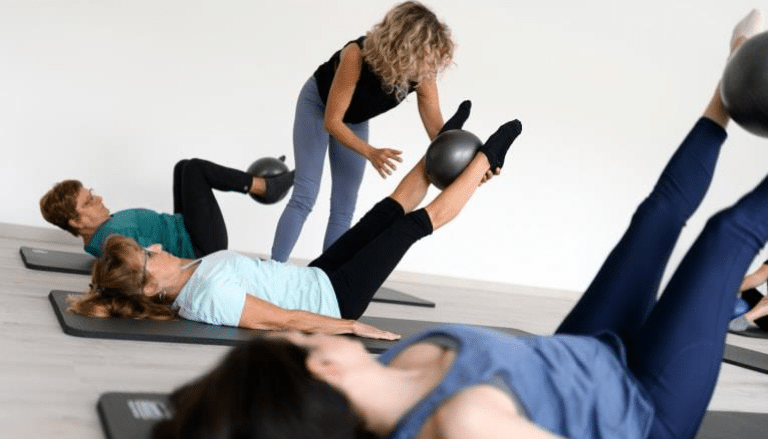
- Pelvic tilts: Gentle movement to build awareness of the lower back and pelvis
- Bridging: Building strength through the glutes and lower back while supporting the spine
- Modified curl-ups: Building core strength with reduced range where needed
- Side-lying leg lifts: supporting hip stability and control
Reformer-Based Exercises
- Footwork on the reformer: Building leg and core strength with adjustable resistance
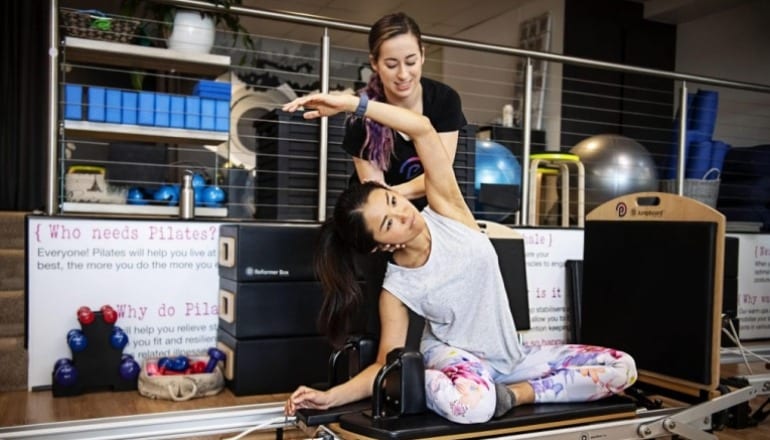
- Assisted stretches: Using the reformer’s support to gently improve flexibility
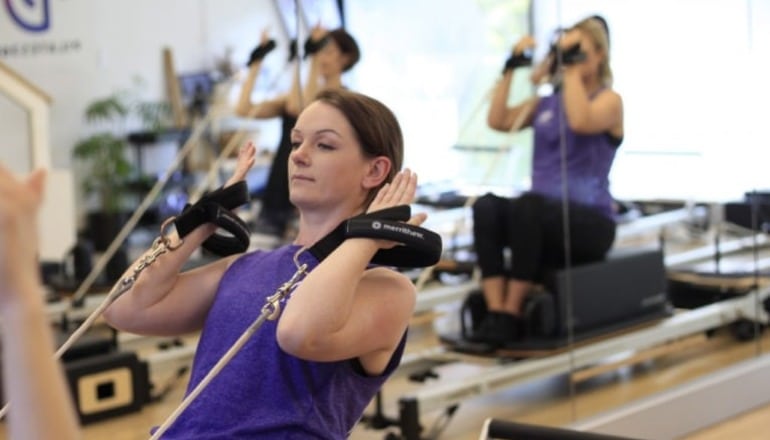
- Modified rowing exercises: Building upper body and postural strength with controlled resistance
These are general examples only. In a real class, an instructor selects and modifies exercises based on each person’s current ability, goals, and any health considerations they’ve shared.
Who Should Try Therapeutic Pilates?
Therapeutic Pilates tends to suit a wide range of people, which is part of why it has become a popular option for adults across different ages and stages.
Good Candidates for Therapeutic Pilates Include:
- Beginners who feel nervous about starting group fitness classes
- Adults returning to exercise after a break
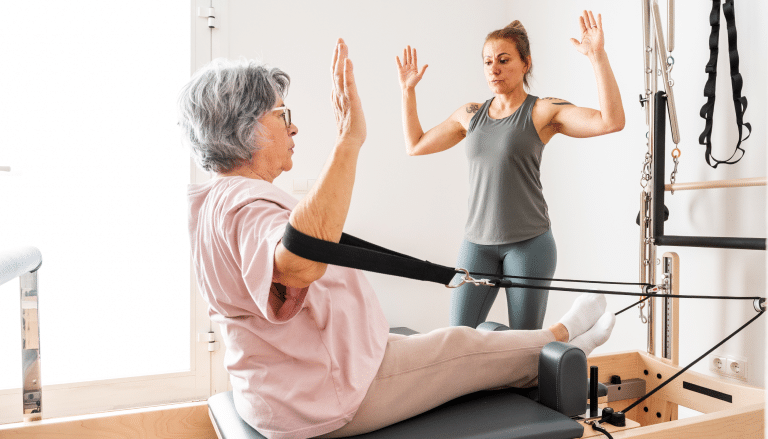
- Older adults wanting to support strength, balance, and everyday mobility
- People managing general stiffness, tightness, or postural discomfort
- Anyone preparing for surgery or another physically demanding event (prehabilitation)
- People recovering from injury, surgery, or inactivity, once cleared for movement (rehabilitation)
- Busy professionals wanting a low-impact way to build strength
Who Should Check With a Health Professional First?
Anyone with a current injury, recent surgery, a diagnosed medical condition, or ongoing pain should speak with their doctor or physiotherapist before starting therapeutic Pilates, and should let their instructor know about their situation so the class can be modified appropriately.
Therapeutic Pilates in Neutral Bay and St Leonards
Locals across Sydney’s Lower North Shore looking for therapeutic Pilates in Neutral Bay or therapeutic Pilates in St Leonards will find Pilates360 offers both locations, with small class sizes and instructors experienced in adapting sessions to suit beginners, older adults, and anyone managing stiffness or recovery.
What to Expect in a First Session
- A conversation first your instructor will typically ask about your goals, any injuries, and relevant health history.
- A general movement check a look at posture and movement patterns to help guide exercise choices.
- A gentle warm-up breathing and light mobility work.
- Guided exercises a small, considered selection of exercises rather than a long, fast-paced sequence.
- Ongoing modification your instructor adjusts things as the session goes, based on how you’re moving and feeling.
- A cool-down gentle stretching to finish.
Common Mistakes to Avoid
- Not mentioning an injury or condition instructors can only tailor a class properly with full information.
- Comparing yourself to others in the room therapeutic Pilates is individual by design.
- Rushing progress gradual, consistent practice tends to be more sustainable than pushing too hard too soon.
- Ignoring discomfort any pain or unusual sensation should be raised with your instructor straight away.
Pro Tips
- Wear comfortable, close-fitting activewear so your instructor can see your alignment.
- Bring grip socks if attending a reformer class.
- Share any relevant advice from your GP or physiotherapist with your instructor.
- Focus on how a movement feels, not just how it looks.
Frequently Asked Questions
What is therapeutic Pilates?
Therapeutic Pilates is Pilates adapted around an individual’s body, goals, and any health considerations, using controlled movement, breath, and gradual progression rather than a fixed, one-size-fits-all class format.
How is therapeutic Pilates different from clinical Pilates?
The terms are largely used interchangeably in Australia, both describing Pilates that has been individually modified, though “clinical Pilates” is sometimes used specifically in health or physiotherapy settings.
Can therapeutic Pilates help with everyday stiffness?
Many people use therapeutic Pilates to support general mobility and ease everyday tightness, particularly around the back, hips, and shoulders, though results vary from person to person.
How often should I do therapeutic Pilates?
This depends on individual goals and circumstances, though many people start with one to two sessions a week and adjust from there in consultation with their instructor.
Is therapeutic Pilates only for people with injuries?
No, while it’s commonly used for prehab and rehab, therapeutic Pilates also suits people simply wanting a considered, individually adapted approach to strength and mobility.
Where can I try therapeutic Pilates in Neutral Bay?
Pilates360’s Neutral Bay studio offers Pilates classes, including options suited to a therapeutic approach, for locals across Sydney’s Lower North Shore.
Where can I try therapeutic Pilates in St Leonards?
Pilates360’s St Leonards studio also offers therapeutic Pilates, giving Lower North Shore locals a second convenient location to build strength and mobility at their own pace.
Key Takeaways
- Therapeutic Pilates is Pilates adapted around an individual’s body, goals, and health considerations.
- It shares the same core principles as traditional Pilates breath, alignment, control, and core engagement.
- Common benefits may include improved core strength, mobility, posture, and balance.
- It suits a wide range of people, from complete beginners to those preparing for or recovering from surgery.
- Sharing relevant health information with your instructor helps ensure classes are modified appropriately.
- For a deeper look at how this approach applies specifically to prehab and rehab, see our related article on the benefits of therapeutic Pilates for prehabilitation and rehabilitation.
Final Thoughts
Therapeutic Pilates offers a considered, adaptable way to build strength and mobility, whatever stage of movement you’re currently at. Because classes are shaped around the individual rather than a fixed format, it tends to suit a wide range of people from those brand new to exercise through to those working toward a specific recovery goal.
At Pilates360, small class sizes mean instructors can get to know each person’s goals and adjust exercises accordingly. If you’re curious whether therapeutic Pilates might suit you, the team is happy to talk it through.
Explore classes at Pilates360, view the timetable, or get in touch with the team to find the right starting point.