Table of Contents
TogglePilates is widely used during and after pregnancy to support core and pelvic floor strength, posture, and general comfort but what’s appropriate changes trimester by trimester, and always starts with clearance from your doctor, obstetrician, or midwife.
This guide walks through what to expect at each stage of pregnancy and in postnatal recovery, so you can have an informed conversation with your instructor and your healthcare provider before booking a class.
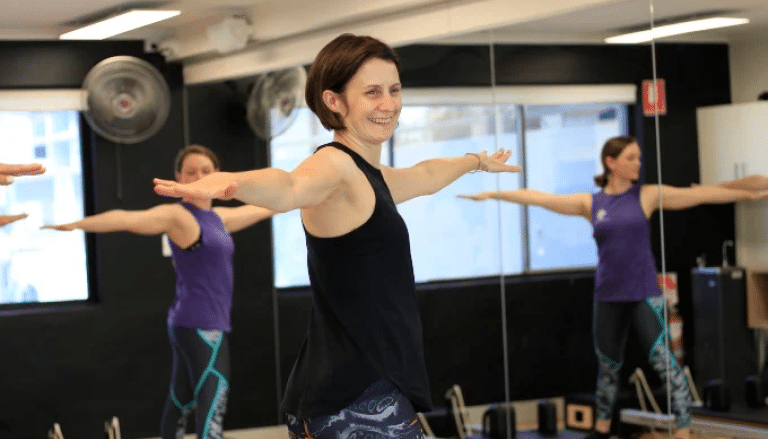
Pilates360 offers pre and post natal Pilates across its Neutral Bay and St Leonards studios on Sydney’s Lower North Shore.
A note before you read on: nothing in this guide is medical advice. Pregnancy affects everyone differently, and only your doctor, obstetrician, or midwife can tell you what’s appropriate for your specific pregnancy. Always get clearance before starting or continuing any exercise program during pregnancy or postnatally.
Does Pilates Help During Pregnancy?
Pilates is commonly used during pregnancy to support core and pelvic floor strength, encourage good posture as your body changes, and maintain general mobility all of which some people find helpful for comfort as pregnancy progresses.
It’s a low-impact form of movement, which is part of why it’s often considered alongside walking and swimming as a pregnancy-friendly option, though it isn’t a treatment for any pregnancy-related condition and should always be approved by your healthcare provider first, particularly in the first trimester.
➜ Explore: Pilates classes designed for pregnancy and postnatal recovery
Pilates by Trimester: What Generally Changes
Guidance around exercise in pregnancy is typically broken down by trimester, since the body’s needs and precautions shift as pregnancy progresses. The following is general information only your own clearance and any modifications should always come from your doctor or obstetrician.
Pilates in Early Pregnancy and the First Trimester
Many people continue moderate exercise, including Pilates, in the first trimester, but this is highly individual and should be confirmed with your doctor or obstetrician before starting or continuing, particularly given early pregnancy is a period where medical guidance is especially important.
If you’re newly pregnant and wondering whether Pilates in early pregnancy is appropriate for you, that conversation with your healthcare provider is the right first step, not a fitness studio.
Mat Pilates in the first trimester is often considered a gentler entry point, since it doesn’t involve equipment, though instructors will still typically ask about your pregnancy and avoid movements not suited to early pregnancy.
If you’re asking whether you can do Pilates in the first trimester at all, the honest answer is: it depends on your individual pregnancy and your doctor’s advice, which is why disclosing your pregnancy when booking matters so much.
General precautions commonly discussed for the first trimester include avoiding exercises that involve lying flat on your back for extended periods, avoiding overheating, and avoiding any movement that causes pain, dizziness, or discomfort but your own doctor’s guidance always takes precedence over general information like this.
➜ Explore: One-on-one Pilates sessions during pregnancy
Pilates in the Second Trimester
By the second trimester, many people find their energy levels improve, and Pilates classes are commonly modified further as pregnancy progresses for example, avoiding prolonged time lying flat on the back and adjusting core-focused exercises.
As with every stage, ongoing clearance from your doctor or obstetrician, and clear communication with your instructor about how you’re feeling, matters more than any general guideline.
Pilates in the Third Trimester and When to Stop
Modifications generally increase further in the third trimester, and many instructors adjust class structure significantly to accommodate changes in balance, comfort, and mobility.
There’s no single universal answer to when to stop Pilates in pregnancy it depends entirely on your individual pregnancy, any complications, and your doctor’s advice.
Some people continue modified Pilates close to their due date with medical clearance; others are advised to stop earlier.
This is a conversation to have directly and repeatedly with your healthcare provider as your pregnancy progresses, not a fixed rule.
➜ Explore: Pregnancy-friendly Mat Pilates classes in Sydney
Can You Do Reformer Pilates While Pregnant?
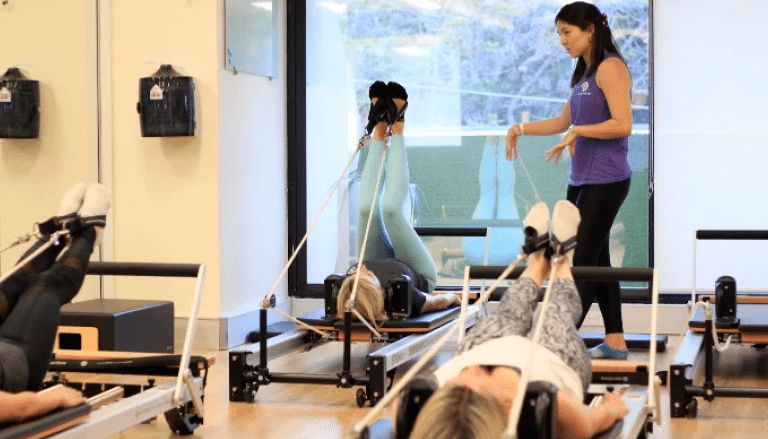
Reformer Pilates can be modified for pregnancy in some cases, with instructors adjusting resistance, positioning, and exercise selection, but whether it’s appropriate for you specifically depends on your individual pregnancy and your doctor’s advice this is not a decision to make based on general content like this article.
If you’re very early in pregnancy and asking about reformer Pilates at 5 weeks pregnant, this is a particularly important time to speak with your doctor first, given how early-stage pregnancy is generally approached with extra caution.
Always disclose your pregnancy, and how many weeks along you are, when booking any class.
➜ Explore: Pregnancy-modified Reformer Pilates classes in Sydney
Pilates for Pregnant Women: What to Expect at Your First Prenatal Class
If you’re cleared to attend, a genuine prenatal Pilates class should start with a conversation about your pregnancy, any complications, and how many weeks along you are, before any exercises begin.
Instructors experienced in pre and post natal Pilates will typically avoid supine (lying on the back) positions past a certain point, modify or remove certain core exercises, and adjust intensity throughout.
If a studio or instructor doesn’t ask these questions before your first class, that’s worth raising directly.
Postnatal Pilates: Returning to Movement After Birth
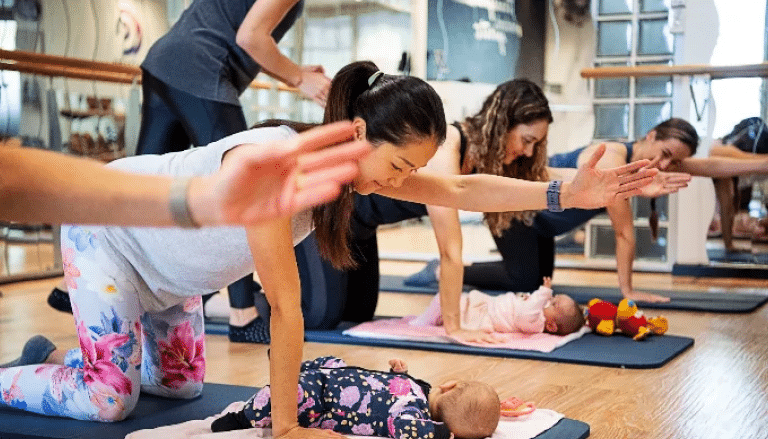
Postnatal Pilates is commonly used to support gradual return to movement, core and pelvic floor recovery, and general strength after birth, though timing varies significantly by individual, birth experience, and any complications.
Clearance from your doctor, obstetrician, or a pelvic floor physiotherapist before returning to exercise postnatally is strongly recommended, and this typically happens at your postnatal check-up, commonly around six weeks after birth, though this varies by individual circumstances.
Small Group vs Private Pilates for Pregnancy and Postnatal Care
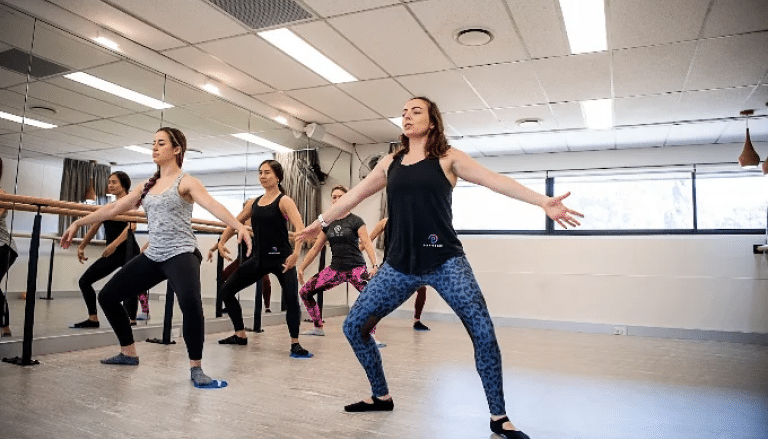
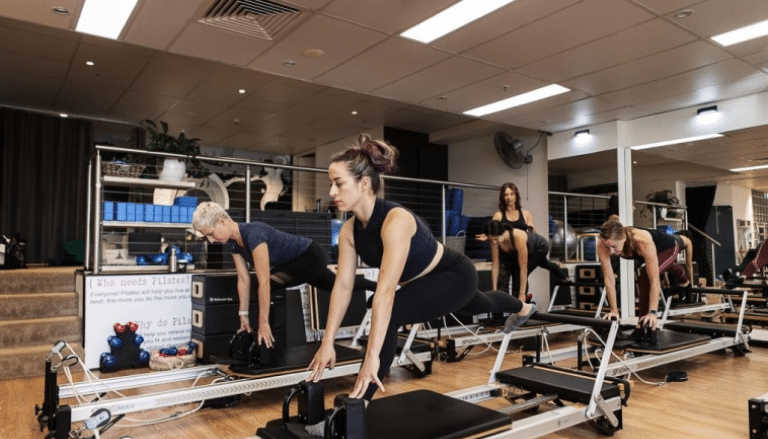
Small group pre and post natal Pilates classes are a common starting point once cleared for exercise, offering a supportive, social environment alongside instructor guidance.
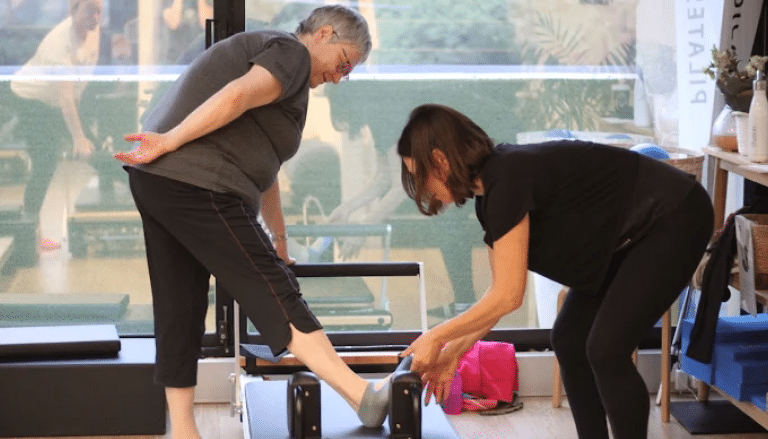
A private Pilates class can be worth considering if you have specific complications, are returning to exercise early postnatally, or would simply prefer more individualised attention during pregnancy or recovery.
Why Choose Pilates360 for Pregnancy and Postnatal Pilates
Pilates360 has been supporting women through pregnancy and postnatal recovery on Sydney’s Lower North Shore since 2015, with small group classes capped at a maximum of 9 people and a personal welcome call for anyone booking their first pre or post natal session.
With 170+ Google reviews, Pilates360 offers women’s Pilates across both its Neutral Bay and St Leonards studios, with instructors who ask the right questions before your first prenatal or postnatal class.
Frequently Asked Questions
Does Pilates help during pregnancy?
Many people find Pilates helpful for supporting core and pelvic floor strength, posture, and general comfort during pregnancy, though it should always be approved by your doctor or obstetrician first.
Can I do Pilates in the first trimester?
This depends entirely on your individual pregnancy and should be confirmed with your doctor or obstetrician before starting, as early pregnancy generally warrants extra caution and individual medical guidance.
When should I stop Pilates during pregnancy?
There’s no fixed point that applies to everyone this depends on your individual pregnancy and should be discussed on an ongoing basis with your doctor or obstetrician as your pregnancy progresses.
Can I do Reformer Pilates while pregnant?
Reformer Pilates can sometimes be modified for pregnancy, but whether it’s appropriate for you depends on your individual circumstances and your doctor’s advice, particularly in early pregnancy.
When can I start postnatal Pilates after birth?
Timing varies by individual and birth experience, and clearance from your doctor, obstetrician, or a pelvic floor physiotherapist typically around your six-week postnatal check-up is strongly recommended before returning to exercise.
Is small group Pilates suitable during pregnancy, or should I choose private sessions?
Small group pre and post natal classes suit many people once cleared for exercise, while a private Pilates class can be worth considering for specific complications or more individualised attention.
Where can I find pregnancy and postnatal Pilates classes near me in Sydney?
Pilates360 offers pre and post natal Pilates across its Neutral Bay and St Leonards studios on Sydney’s Lower North Shore.
➜ Explore: Pregnancy and postnatal Pilates classes in St Leonards
Key Takeaways
- Pilates is commonly used during pregnancy and postnatally to support core strength, posture, and general comfort, but is not a substitute for medical guidance.
- What’s appropriate changes by trimester, and ongoing clearance from your doctor, obstetrician, or midwife matters more than any general guideline, including this one.
- Reformer Pilates can sometimes be modified for pregnancy, but suitability depends entirely on individual circumstances and medical advice.
- Postnatal return to exercise timing varies significantly and should follow clearance at your postnatal check-up.
- Pilates360 offers small group pre and post natal Pilates across Neutral Bay and St Leonards, with instructors who ask the right questions before your first class.
➜ Explore: Pregnancy and postnatal Pilates classes in Neutral Bay
Before You Book
If you’re pregnant or postnatal and considering Pilates, the first conversation is with your doctor, obstetrician, or midwife not a studio.
Once you have that clearance, a good prenatal or postnatal instructor will ask detailed questions before your first class and adjust your session accordingly.
Explore pre and post natal Pilates at Pilates360, view the timetable, or get in touch with the team once you’ve spoken with your healthcare provider.