Table of Contents
ToggleTherapeutic Pilates can support pre-habilitation and post-rehabilitation by building strength, improving mobility, and helping the body move with better control before or after injury, surgery, or a period of inactivity. It is a low-impact approach that focuses on controlled movement, breathing, and gradual progression.
Quick Answer
Therapeutic Pilates is a modified, low-impact form of Pilates that may help people prepare for surgery (pre-habilitation) or recover from injury, surgery, or inactivity (post-rehabilitation). It focuses on controlled movement, core stability, breathing, and gradual strength-building, using equipment such as the reformer, mat, chair, and trapeze table, and is commonly used alongside guidance from physiotherapists or other health professionals as part of a broader recovery plan.
What Is Therapeutic Pilates?
Therapeutic Pilates is a way of practicing Pilates that puts the focus on how a person moves, rather than how much they lift or how fast they go. It draws on the same core principles as traditional Pilates: breath, control, alignment, and core engagement, but the exercises are chosen and modified with a person’s specific movement goals in mind. At Pilates in Neutral Bay and St Leonards, this approach is built into how classes are taught, with instructors adjusting sessions around each person’s needs.
This might mean adjusting range of motion, reducing load, changing body position, or focusing on particular muscle groups that need extra attention. It’s less about intensity and more about quality of movement.
Many people come to therapeutic Pilates through two main pathways:
- Pre-habilitation — preparing the body for an upcoming event, such as surgery, a physically demanding job, or a return to sport.
- Post-Rehabilitation — supporting the body’s return to movement after an injury, surgery, or a period of reduced activity.
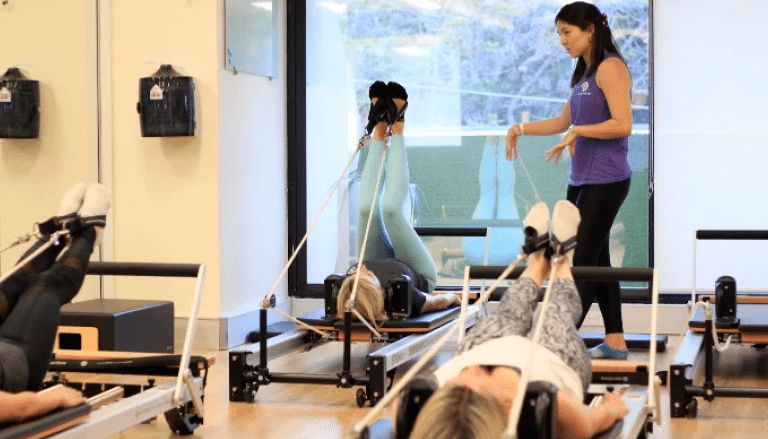
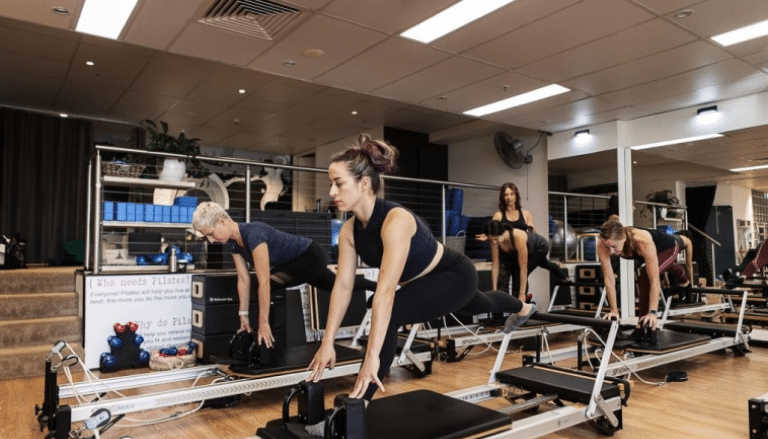
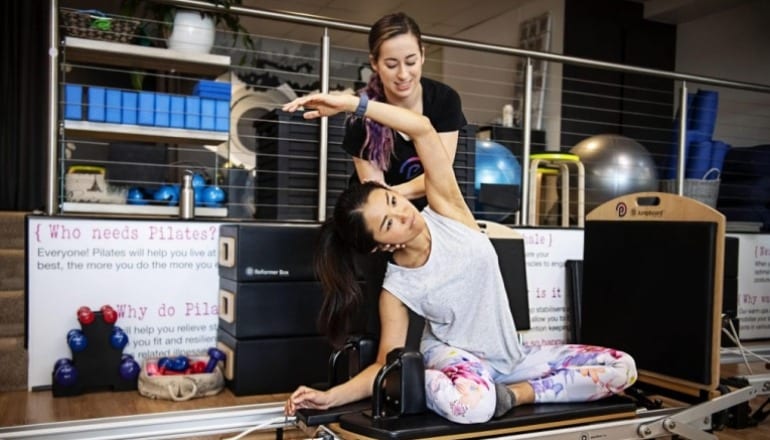
Sessions may draw on the full range of Pilates equipment, including the reformer, mat, chair, and trapeze table (also known as the Cadillac), with the choice of apparatus guided by each person’s goals and current stage of recovery.
Pre-habilitation: Preparing the Body Before It’s Needed Most
Pre-habilitation, often shortened to “prehab,” is about building strength, mobility, and body awareness before a physical challenge occurs rather than only responding once something has gone wrong.
Who Might Consider Prehab Pilates?
- People preparing for scheduled surgery, such as joint replacement
- Older adults wanting to stay strong and reduce fall risk
- Office workers preparing to return to more active hobbies or sport
- Anyone wanting to build a stronger foundation before starting a new exercise routine
How Prehab Pilates May Help
Going into surgery or a demanding physical event with better strength, mobility, and movement confidence is generally considered helpful for the recovery process that follows. Therapeutic Pilates may support this by:
- Building strength in key stabilising muscles
- Improving joint mobility and everyday flexibility
- Encouraging better posture and alignment
- Building body awareness, so movement feels more controlled and confident
Post-Rehabilitation: Supporting Recovery and Return to Movement
Post-rehabilitation Pilates is generally introduced once a person has been cleared by their doctor, physiotherapist, or other health professional to begin gentle movement again.
Common Reasons People Turn to Post-Rehabilitation Pilates
- Recovering from joint or muscle injuries
- Returning to movement after surgery
- Managing chronic tightness, stiffness, or general aches
- Rebuilding confidence in movement after a period of inactivity
- Supporting posture and core strength during pregnancy or postnatally
Is Therapeutic Pilates Safe for Post-Rehabilitation?
Yes. Therapeutic Pilates can be a safe option for many people during post-rehabilitation, provided the exercises are appropriately modified and the person has been cleared for movement by their treating health professional. Instructors can adjust resistance, range of motion, and positioning across equipment such as the reformer, mat, chair, or trapeze table, so sessions match each person’s current stage of recovery. It’s important that any Pilates instructor is made aware of an individual’s injury, surgery, or medical history so the class can be tailored appropriately.
Therapeutic Pilates for Prehab vs Post-Rehab
| Benefit | Prehabilitation Focus | Post-Rehabilitation Focus |
| Core strength | Builds a stable foundation before surgery or high demand activity | Supports safe return to everyday movement |
| Mobility | May improve joint range before it’s restricted | May help gradually restore lost range of motion |
| Balance | Reduces fall risk, supports confidence | Rebuilds stability after time spent less active |
| Posture | Encourages good alignment habits early | Supports posture that may have been affected by injury or compensation |
| Body awareness | Improves movement confidence ahead of a challenge | Helps identify and manage compensations during recovery |
What to Expect in a Therapeutic Pilates Session
If you’re considering therapeutic Pilates for the first time, sessions are generally structured to feel supportive rather than intense.
Step-by-Step: A Typical First Session
- Initial conversation — your instructor asks about your health history, any injuries, surgeries, or areas of concern.
- Movement assessment — a general look at posture, mobility, and how you move, to guide exercise selection.
- Warm-up — gentle breathing and mobility exercises to prepare the body.
- Guided exercises — a small number of exercises, often using the reformer, mat, chair, or trapeze table, chosen to suit your goals.
- Modifications as needed — your instructor adjusts resistance, range, or position throughout the session.
- Cool-down — gentle stretching to finish the session.
What Should I Wear to Therapeutic Pilates?
Comfortable, close-fitting activewear that allows your instructor to see your alignment is generally recommended. Grip socks are commonly worn on the reformer for safety, and loose jewellery is best left at home.
Common Mistakes to Avoid
- Skipping the health history conversation: your instructor can only tailor a class properly if they know about current or past injuries.
- Pushing through discomfort: therapeutic Pilates is not about intensity; if something doesn’t feel right, it should be raised straight away.
- Comparing your pace to others in the class: everyone’s movement journey is different, particularly during recovery.
- Not communicating changes if pain or symptoms change between sessions; let your instructor know so the class can be adjusted.
Pro Tips
- Bring any relevant advice from your physiotherapist, GP, or specialist to your first session.
- Start with fewer classes per week and build up gradually.
- Focus on consistency rather than intensity, especially in the early stages.
- Ask questions; a good instructor will welcome them.
Frequently Asked Questions
Is therapeutic Pilates the same as clinical Pilates?
The terms are often used interchangeably. Both generally describe Pilates that has been adapted to support pre-habilitation, rehabilitation, or specific health considerations, rather than general fitness alone.
Can therapeutic Pilates help with back pain?
Therapeutic Pilates may support people managing back discomfort by building core strength and encouraging better movement patterns, though it should be considered alongside, not instead of, professional medical advice.
Is therapeutic Pilates suitable for older adults?
Yes, therapeutic Pilates is commonly chosen by older adults, as it can support strength, balance, and mobility in a low-impact, controlled setting.
How long before I notice a difference?
This varies from person to person, and depends on factors such as consistency, starting point, and individual health circumstances. Many people find that gradual changes in strength and mobility build over several weeks of regular practice.
What’s the difference between prehab and post-rehab Pilates?
Prehab Pilates is generally used to prepare the body before a physical event such as surgery, while post-rehab Pilates is used to support recovery afterward. Both share a focus on controlled, individualised movement.
How often should I do therapeutic Pilates for post-rehabilitation?
This varies by individual and is best guided by your health professional and instructor, though many people start with one to two sessions per week and adjust from there.
Can therapeutic Pilates be done one-on-one?
Yes, many studios, including Pilates360, offer private one-on-one sessions for people wanting more individualised attention during prehab or post-rehab.
What equipment is used in therapeutic Pilates?
Therapeutic Pilates can draw on the full range of Pilates equipment, including the reformer, mat, chair, and trapeze table (Cadillac), with your instructor selecting the apparatus best suited to your goals and stage of recovery.
Is reformer Pilates suitable for post-rehabilitation?
Reformer Pilates can be suitable for post-rehabilitation when appropriately modified, as the equipment allows for adjustable resistance and support, which may help ease people back into movement.
Do I need to tell my instructor about my injury?
Yes, sharing relevant health information with your instructor is important so your session can be tailored safely and appropriately to your circumstances.
Is therapeutic Pilates eligible for health insurance rebates?
Some private health insurance extras policies may offer rebates for clinical or therapeutic Pilates sessions, particularly when delivered by an appropriately qualified instructor or allied health professional. Eligibility and rebate amounts vary by fund and policy, so it’s best to check directly with your health insurance provider before booking.
Is therapeutic Pilates available near Neutral Bay and St Leonards?
Yes, Pilates360 offers Pilates classes, including options suited to prehab and post-rehab goals, across its Lower North Shore locations in Neutral Bay and St Leonards.
Key Takeaways
- Therapeutic Pilates is a low-impact, adaptable form of Pilates that may support both prehabilitation and post-rehabilitation.
- Prehab Pilates focuses on preparing the body before a physical event, such as surgery.
- Post-rehab Pilates focuses on supporting a safe, gradual return to movement afterward.
- Sessions can draw on the full range of Pilates equipment, including the reformer, mat, chair, and trapeze table.
- Sessions are commonly modified around each person’s health history, injuries, and current stage of recovery.
- Some private health insurance extras policies may offer rebates for eligible sessions; it’s worth checking directly with your fund.
- It’s important to share relevant health information with your instructor and check with your health professional if you’re recovering from surgery or a significant injury.
- Pilates360 offers welcoming Pilates classes across Sydney’s Lower North Shore, with studios providing Pilates in Neutral Bay and Pilates in St Leonards.
Final Thoughts
Whether you’re preparing for surgery, easing back into movement after an injury, or simply wanting to move with more strength and confidence, therapeutic Pilates offers a gentle, structured way to support your body. Drawing on equipment such as the reformer, mat, chair, and trapeze table, and with a focus on control, breath, and gradual progression, it’s an approach that can be adapted to many different stages of a person’s movement journey.
At Pilates360, classes are kept small so instructors can get to know each person’s goals and offer guidance along the way. If you’re considering therapeutic Pilates for prehab or post-rehab, speaking with the team is a good first step, including whether your session may be eligible for a private health insurance rebate.
Explore Private Pilates at Pilates360, view the timetable, or get in touch with the team to discuss which class might suit your current needs.