Table of Contents
ToggleNeither is better for everyone, so the right first step depends on your goal. If you want low-impact strength, core control, and posture with an instructor guiding you, Reformer Pilates is a good place to start. If you want to lift heavier weights or build cardio fitness, the gym is the better fit. Many people end up doing both. This guide compares the two honestly, covers how often to train and what change realistically looks like, and helps you decide where to begin. Pilates360 runs small group Reformer Pilates classes across its Neutral Bay and St Leonards studios on Sydney’s Lower North Shore, and has been helping people move well since 2015.
Which Is Better, Gym or Pilates?
Neither wins outright. The gym is better for heavy strength training and cardio fitness, while Reformer Pilates is better for controlled, low-impact strength with close instruction. The right choice depends on what you want from your training.
Start with Reformer Pilates if you are new to exercise or returning after a break, want joint-friendly strength, prefer to be guided, or find gyms intimidating.
Start with the gym if you want to lift heavier, build muscle size, train for a sport, or work on cardio fitness at your own pace and schedule.
Reformer Pilates vs Gym Workouts at a Glance
| Reformer Pilates | Gym workouts | |
| Main focus | Controlled full-body strength, core, posture and mobility | Heavier strength training, cardio fitness and variety |
| Impact on joints | Low impact | Depends on what you choose; running and jumping are higher impact |
| Guidance | Instructor-led, with exercises adjusted for you | Often self-directed unless you book a class or trainer |
| Cardio | Most classes are not cardio-focused | Cardio machines and classes available |
| Heavy loading | Spring resistance suits controlled strength rather than maximal lifts | Free weights and machines allow heavier progressive loading |
Reformer Pilates Advantages: What It Does Well
Reformer Pilates does a few things particularly well, and these are the reasons many people choose it first. For a fuller list, see our guide to the benefits of Reformer Pilates.
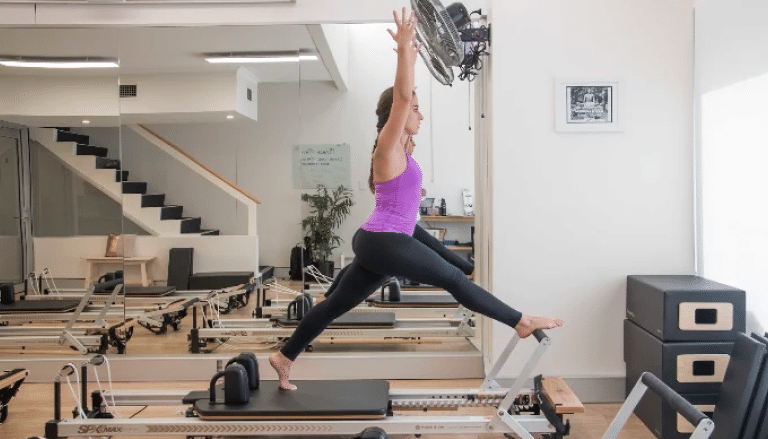
- Low-impact strength. Springs provide resistance without the impact of jumping or running, which many people find kind to their joints.
- Core and posture focus. Slow, controlled movements keep attention on alignment and the deep core muscles.
- Built-in guidance. The machine and the instructor guide each movement, which helps if you are unsure how an exercise should feel.
- Adjustable resistance. The springs can be changed for each person, so one class can suit different levels.
- Mobility alongside strength. Many exercises work through a full range of motion, so flexibility is trained at the same time.
Where the Gym Does It Better
The gym is stronger in three areas. It allows heavier progressive loading, so it suits anyone aiming for maximal strength or muscle size. It offers a wide range of cardio options. And it lets you train on your own schedule without booking a class.
Is Reformer Pilates strength training?
Yes, in many respects. Reformer Pilates uses spring resistance to challenge your muscles, so it can count as a form of resistance training. It differs from gym lifting in emphasis: it prioritises control, alignment and core engagement rather than lifting as heavy as possible.
Benefits of Reformer Pilates Twice a Week
Twice a week is a common starting rhythm for Reformer Pilates, and it lines up with the Australian Government guideline that adults aged 18 to 64 do muscle-strengthening activities on at least two days each week. Two sessions can help you build a regular habit, and many people find consistency matters more than intensity.
Two classes alone will not cover everything, though. The same guidelines also recommend 150 to 300 minutes of moderate-intensity activity a week (or 75 to 150 minutes of vigorous activity), and most reformer classes are not designed as cardio. Walking, cycling, swimming or a gym cardio session can fill that gap. If you are 65 or over, the guidelines differ, so check the Department of Health’s advice. If you are new, starting with one class a week and building up is a sensible approach.
Reformer Pilates Before and After: What Realistic Change Looks Like
Change from Reformer Pilates tends to be gradual and personal. In the first few weeks, many people notice mostly how they move: more awareness of posture and core, and exercises that start to feel easier. Strength, balance and mobility changes tend to build over months of regular attendance, and some people find everyday tasks feel easier.
Be cautious of dramatic before-and-after photos. They rarely show lighting, posture on the day, diet, training history or how long the change took, and results vary from person to person. No studio can promise a specific outcome.
Which Should You Try First? A Quick Self-Check
Ask yourself three questions:
- Do I want guidance or independence? Choose Reformer Pilates for guidance and the gym for independence.
- What is my main goal? Posture, core control and joint-friendly strength point to Reformer Pilates. Heavier lifting or cardio fitness points to the gym.
- How do my joints and health feel right now? If you are returning from injury or surgery, are pregnant, or have a health condition, speak with your doctor or physiotherapist before starting either.
If you are still undecided, you do not have to choose. Plenty of people pair one or two reformer classes with a weekly cardio session or gym workout.
What Your First Session Is Like: Reformer Pilates vs the Gym
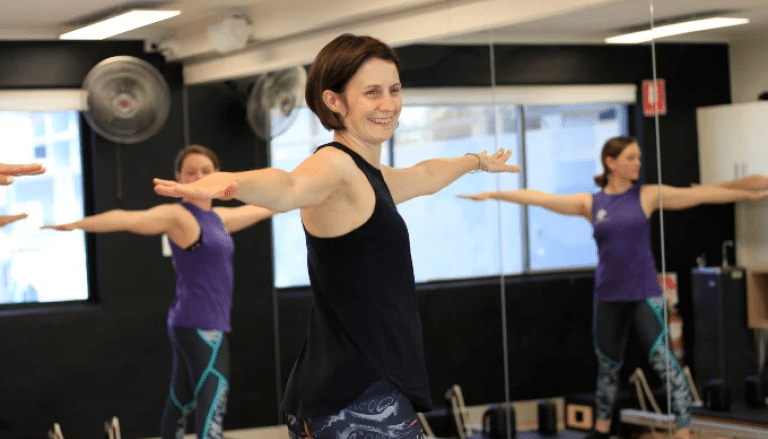
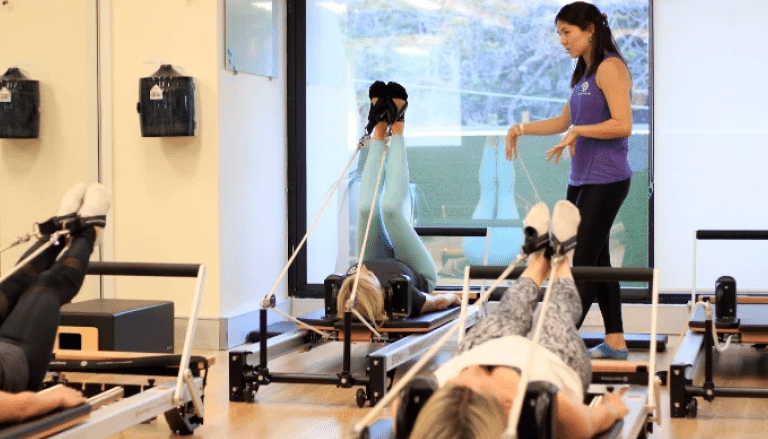
A first Reformer Pilates class usually starts with a short introduction to the machine, then a small group works through guided exercises while the instructor adjusts each person. A first gym session is more self-directed: you choose the equipment and set your own pace, and some gyms offer an induction or a session with a trainer to help you get started. Neither is better, but if you are unsure what to do with equipment, the guided format of a class can feel easier to walk into.
Combining Both: Example Weeks
These are examples only, not a personal program. Check with your doctor or physiotherapist first if you have an injury or health condition.
- New to exercise: one or two beginner reformer classes a week, plus regular walking.
- Strength-focused: one or two gym sessions with heavier lifting, plus a reformer class for mobility and core control.
- Time-poor: one reformer class and one cardio session that fits around work, built up gradually.
Common Mistakes When Choosing
- Treating it as either-or. The two complement each other, and plenty of people do both.
- Judging by calorie burn alone. Strength, mobility, posture, and enjoyment all matter for sticking with it.
- Starting with the hardest option. Begin with a beginner class or an easy gym routine and build up.
- Skipping the health conversation. Tell your instructor or trainer about injuries, surgery, or pregnancy so exercises can be adjusted.
- Expecting fast results. Consistency over months matters more than any single session.
Trying Reformer Pilates in Neutral Bay and St Leonards
Pilates360 offers Reformer Pilates in Neutral Bay and St Leonards, with classes capped at 9 people so instructors can adjust exercises for each person. New starters get a personal welcome call and guidance choosing the right class, and the studio has 170+ Google reviews. If you would rather start one-on-one, private Pilates sessions are also available. A beginner class is the best first step if you have never used a reformer before.
Frequently Asked Questions
Which is better, gym or Pilates?
Neither is better for everyone. The gym suits heavy strength training and cardio, while Reformer Pilates suits low-impact, guided strength and posture work. Your goals, joints and preferences decide.
Is Reformer Pilates strength training?
Yes, in many respects. The springs provide resistance, so it works as a form of resistance training, though it focuses on control and alignment rather than maximal weight.
Can Reformer Pilates replace the gym?
For some goals, yes, such as low-impact strength and posture. It will not replace heavy lifting or cardio fitness, so many people combine the two.
How often should you do Reformer Pilates?
Many people start with one or two classes a week. Twice a week is a common rhythm and fits the national guideline of strengthening activity on two days, alongside other activity.
Can you lose weight doing Reformer Pilates?
Reformer Pilates can be part of an active lifestyle that supports weight management, alongside diet and other movement. It is not a guaranteed weight loss method, and results vary.
How long before I notice a difference from Reformer Pilates?
This varies. Many people notice better body awareness within a few weeks, while changes in strength and mobility tend to build over months of regular attendance.
Where can I try Reformer Pilates in Neutral Bay or St Leonards?
Pilates360 runs small group Reformer Pilates classes, capped at 9 people, at its Neutral Bay and St Leonards studios. Contact the team to find the right first class.
Final Thoughts
Reformer Pilates and the gym answer different needs, and neither is the wrong first choice. If low-impact strength, posture, and guidance appeal, start with a beginner Reformer Pilates class and see how it feels. If you want heavier lifting or cardio, the gym is a good starting point, and the two work well together.
View the Pilates360 timetable or get in touch with the team about Reformer Pilates at the St Leonards and Neutral Bay studios. Which would you try first, the reformer or the gym?