Table of Contents
TogglePilates for women is no longer a niche habit. It is a regular part of life for women from their twenties to their seventies, at every stage from pregnancy to retirement. Whether you want a Pilates beginner class, a reformer Pilates class for women, or something gentler for seniors, there is a style that fits, and you do not need prior experience, flexibility, or a particular fitness level to begin. This guide covers the benefits, how mat and reformer classes compare, options for different life stages, seven beginner-friendly exercises, and how to choose your first class safely. It is written with women over 45 in mind, though most of it applies at any age. Pilates360 runs small group Pilates classes for women at it’s Neutral Bay and St Leonards studios on Sydney’s Lower North Shore, and has been helping people move well since 2015.
Why Pilates Suits Women at Every Stage
Pilates suits women because it builds strength, posture and flexibility through low-impact, controlled movement that can be adjusted to almost any body, goal or life stage. It works the deep core, back, hips and shoulders together, which many women find carries over into everyday tasks like lifting and sitting at a desk. The focus on breath and concentration also gives some women a welcome mental break. Because exercises can be scaled up or down, the same class can suit a first-timer or a woman returning to exercise after a break.
Mat Pilates Classes for Women vs Reformer Pilates Class for Women
Both work well. Mat Pilates uses your body weight on the floor, while reformer Pilates uses a spring-loaded machine for adjustable resistance.
Mat Pilates classes for women are floor-based, need only a mat, and focus on core control and mobility. They are simple to start and easy to practise at home once you have learned the basics.
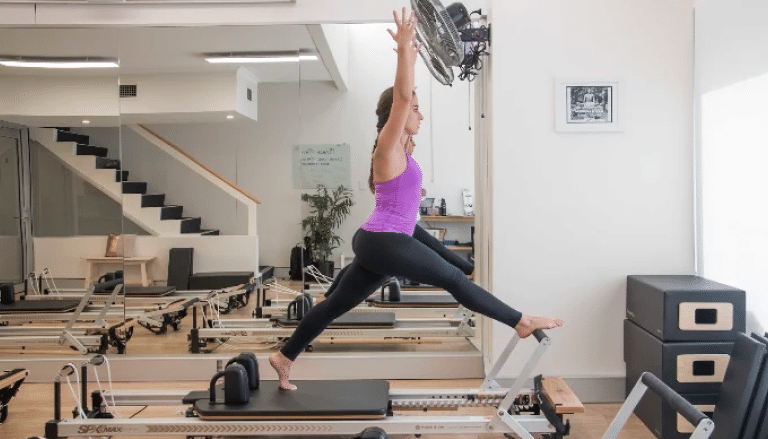
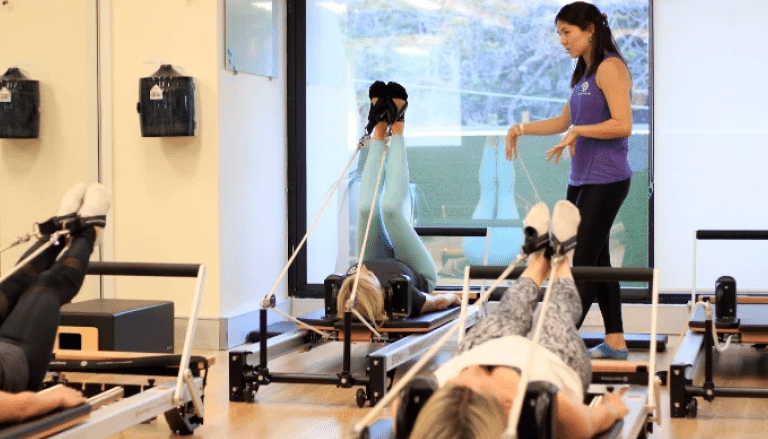
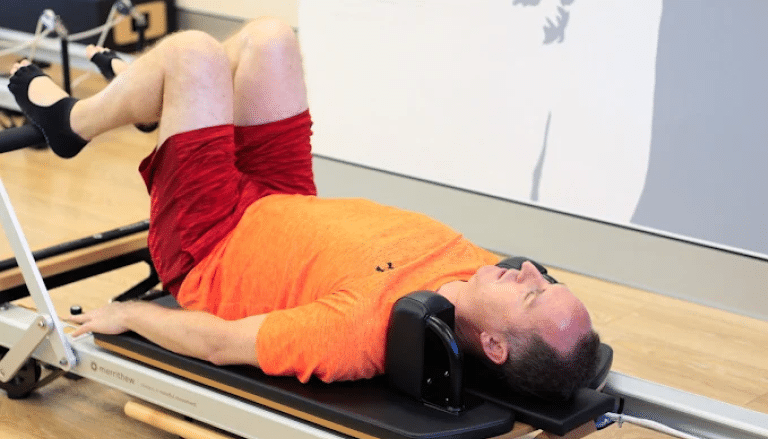
A reformer Pilates class for women uses a sliding carriage and springs that can support or challenge you, which some beginners find makes the movement easier to understand.
| Mat Pilates | Reformer Pilates | |
| Equipment | Mat, sometimes small props | Reformer machine with adjustable springs |
| Intensity | Bodyweight, builds with control | Adjustable by spring setting |
| Cost | Often lower per class | Often higher, as it needs equipment and smaller groups |
| Studio experience | Open floor, easy to start | Needs an introduction to the machine |
Which is better for beginners? Neither. Start with whichever you feel more comfortable trying, and consider trying both before you decide.
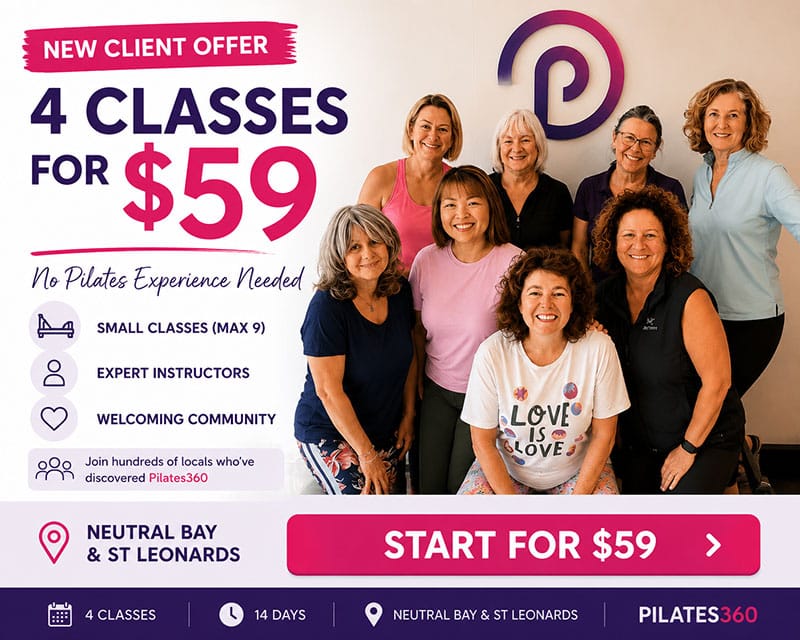
A reformer Pilates studio gives you a dedicated space, with equipment set up for you and an instructor watching your form. Gym chains such as Fitness First also run reformer Pilates classes, which can be a convenient way to try the equipment if you are already a member. At Pilates360’s St Leonards and Neutral Bay studios, classes are capped at 9 people so instructors can adjust exercises for each woman in the room.
Best Pilates Options for Different Stages of a Woman’s Life
Most stages of life have a Pilates option, as long as the class is adapted and you have had clearance from your doctor where needed.
Pilates for Seniors and Women Over 45
Mat and reformer classes can be adapted for women over 45 and for seniors, with a focus on balance, joint-friendly strength and confidence on your feet. Tell your instructor about any joint replacements, low bone density or past injuries so exercises can be modified.
Prenatal Pilates Classes and Pregnancy Pilates
Many women continue pregnancy Pilates with modifications, but whether it suits you depends on your pregnancy, so get clearance from your doctor or midwife first. Prenatal Pilates classes adjust positions and core work as pregnancy progresses. For a trimester-by-trimester breakdown, read our guide to Pilates during and after pregnancy.
Postnatal Pilates
Postnatal Pilates is commonly used to rebuild core and pelvic floor strength gradually after birth. Timing varies, so wait for clearance at your postnatal check-up, and consider seeing a pelvic floor physiotherapist if you have concerns.
Barre Pilates
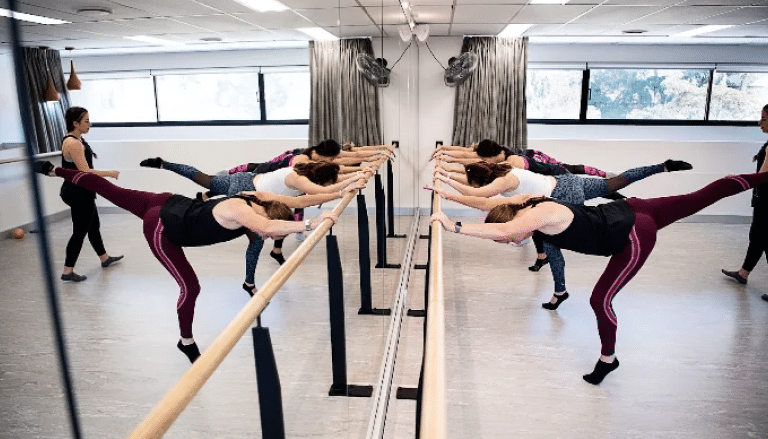
Barre Pilates blends Pilates-style core work with small, ballet-inspired movements, often using a barre for support. Many women enjoy it as a more rhythmic variation on a standard class.
Top Benefits of Pilates for Women Over 45 and Seniors
Regular Pilates may support core strength, posture, balance and confidence, all of which matter more as we age.
- Stronger core and better posture. Controlled core work may help you stand and move with better alignment.
- Balance and bone health. Slow, controlled movement may support balance. Pilates is low-impact, so for bone health it is best seen as one part of a wider plan that includes weight-bearing activity and your doctor’s advice. It is not a treatment for osteoporosis.
- Joint-friendly strength training. Bodyweight work and reformer springs can build strength with less impact on joints than running or jumping.
- Support during and after menopause. Menopause affects every woman differently. Some find regular, moderate exercise like Pilates helps with energy, sleep and mood, though it is not a treatment for symptoms, so speak with your GP about those.
- Better energy and body confidence. Some women find that feeling stronger carries into the rest of their day.
7 Best Beginner-Friendly Pilates Exercises for Women
These are general descriptions of common Pilates exercises for beginners, not a personal program. Learn them with an instructor first, and check with your doctor if you have osteoporosis, a joint replacement, pelvic floor symptoms, recent surgery, or are pregnant. If you have been advised to avoid curling forward through the spine, skip The Hundred and Single Leg Stretch and ask for alternatives.
1. Pelvic Curl (Bridge)
Benefits: works the glutes, hamstrings and lower back, and encourages spinal mobility.
Steps:
- Lie on your back, knees bent, feet hip-width apart.
- Exhale and peel your spine off the mat one bone at a time.
- Pause, then roll down slowly.
Beginner modification: lift only a short way.
Reformer variation: feet on the footbar, with springs set by your instructor.
2. The Hundred (Modified)
Benefits: warms up the core and links breath to movement.
Steps:
- Lie on your back, knees bent, feet on the floor.
- Reach your arms long by your sides, just above the mat.
- Pump your arms gently, breathing in for five counts and out for five.
Beginner modification: keep your head down and do fewer breath cycles.
Reformer variation: a version with the straps adds light resistance.
3. Bird Dog
Benefits: strengthens the back, glutes, and shoulders, and builds balance.
Steps:
- Start on hands and knees, wrists under shoulders, knees under hips.
- Slide one leg back and reach the opposite arm forward, keeping hips level.
- Return and swap sides.
Beginner modification: lift just the arm or just the leg.
4. Side-Lying Leg Lifts
Benefits: targets the hip and outer thigh muscles that support walking and balance.
Steps:
- Lie on your side, hips stacked, head resting on your arm.
- Lift the top leg to hip height without rocking your pelvis.
- Lower slowly, then switch sides.
Beginner modification: make the lifts smaller and bend your bottom knee.
5. Cat-Cow
Benefits: gentle spinal mobility, useful as a warm-up for a stiff back.
Steps:
- On hands and knees, inhale and lift your tailbone and chest slightly.
- Exhale, round your spine and tuck your chin.
- Move slowly with your breath.
Beginner modification: use a smaller range, or do it seated on a chair.
Reformer variation: a similar kneeling movement may be taught on the reformer.
6. Modified Plank
Benefits: builds the shoulders and core, and improves whole-body stability.
Steps:
- Start on hands and knees, then walk your hands forward slightly.
- Lengthen from head to knees, abdominals drawn in.
- Hold for a few breaths, then rest.
Beginner modification: place your hands on a bench or wall.
Reformer variation: planks on the carriage usually come once you are comfortable with the basics.
7. Single Leg Stretch
Benefits: builds coordination and abdominal control.
Steps:
- Lie on your back, one knee towards your chest, the other foot on the floor.
- Rest your hands on the bent knee and switch legs smoothly.
- Breathe steadily and repeat six to eight times.
Beginner modification: keep your head down and your extended foot on the floor.
How to Choose the Right Pilates Beginner Class
Choose a class labelled beginner or foundations, with small group sizes and an instructor who asks about your health history before you start.
- Mat or reformer for absolute beginners. Either works. Mat is simple to start, while the reformer gives some beginners more guidance from the equipment. Pick by comfort and what fits your week.
- What to look for in a reformer Pilates studio. Beginner-level classes, small group sizes, and instructors who explain the equipment.
- Questions to ask before joining. Is this a beginner class? How many people are in it? Can exercises be modified for my knees, back, pelvic floor, or bone density? Can I modify exercises in a group class? What should I wear?
- Online vs in-studio. At-home and online mat classes can suit confident movers or practice between visits. In your first classes, an instructor in the room can see and adjust your alignment, which a video cannot. The reformer needs a studio.
- Starting safely after 45 or after pregnancy. Check with your GP or physiotherapist first, tell your instructor about your health history, begin with one or two sessions a week, and stop and speak up if anything hurts.
Common Mistakes Women Make When Starting Pilates
- Skipping the health history chat. Instructors can only modify a class if they know about injuries, surgery, pregnancy or bone density concerns.
- Starting in an advanced or mixed-level class. A beginner class teaches the basics at a pace that lets you learn.
- Pushing through pain. Pilates should feel controlled, not painful. Stop and tell your instructor.
- Comparing yourself with others. Everyone is working at a different level.
- Expecting results after one class. Consistency matters more than intensity, so choose class times you can realistically keep.
- Holding your breath. Breathing is part of the movement, so keep it flowing.
Frequently Asked Questions
Is Reformer Pilates better than Mat Pilates for women?
Neither is better, as they suit different preferences. Reformer Pilates adds adjustable spring resistance, while Mat Pilates uses body weight and is simple to start. Many women do both.
Can beginners join a reformer Pilates class for women?
Yes. Beginner-level reformer classes introduce the machine step by step, with resistance set to suit you. Look for a class labelled beginner or foundations.
Is Pilates safe during pregnancy?
Many women continue Pilates during pregnancy with modifications, but safety depends on your individual pregnancy. Get clearance from your doctor or midwife first, and tell your instructor how many weeks pregnant you are.
What is the difference between Barre Pilates and regular Pilates?
Barre Pilates blends Pilates-style core work with small, ballet-inspired movements, often using a barre for support, in a more rhythmic format. Regular Pilates focuses on controlled mat or reformer exercises and core stability.
Is Pilates good for women over 45 and seniors?
It can be. Pilates is low-impact and adaptable, so many women over 45 and seniors use it to support strength, balance, and mobility. Share any joint or bone density concerns with your instructor.
Do I need a reformer Pilates studio, or can I start at home?
You can start with mat Pilates at home using guided classes, but the reformer needs equipment, and in-person instruction is generally best for your first classes.
Where can I find Pilates classes for women over 45 in Neutral Bay or St Leonards?
Pilates360 runs small-group beginner, mat and reformer classes at its Neutral Bay and St Leonards studios, with classes capped at 9 people. Contact the team to find the right first class for your goals.
Pilates for Women: Where to Start
Pilates for women offers an option at every stage, from pregnancy Pilates and postnatal Pilates to Pilates for seniors and regular reformer or mat classes. The best way to find out what suits you is to book a Pilates beginner class, tell your instructor about your body and goals, and take it from there.
If you are nearby, view the Pilates360 timetable or get in touch with the team about beginner classes at Neutral Bay and St Leonards studios.
Which type of Pilates are you most interested in trying?