Table of Contents
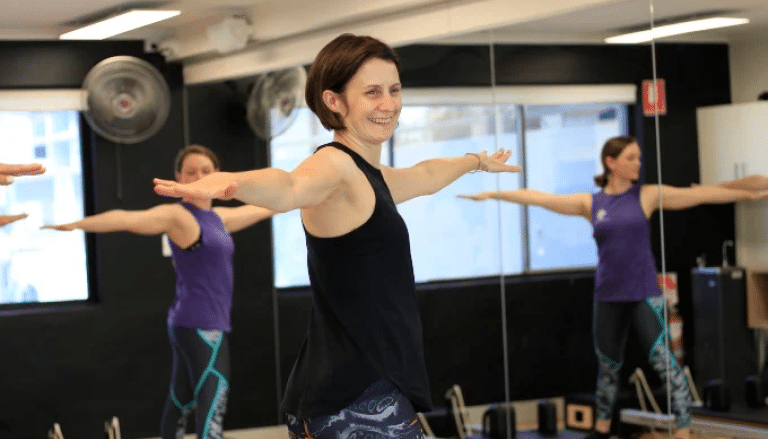
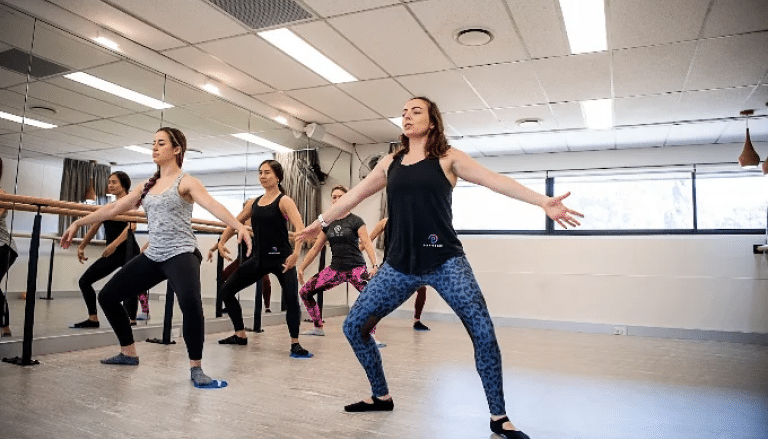
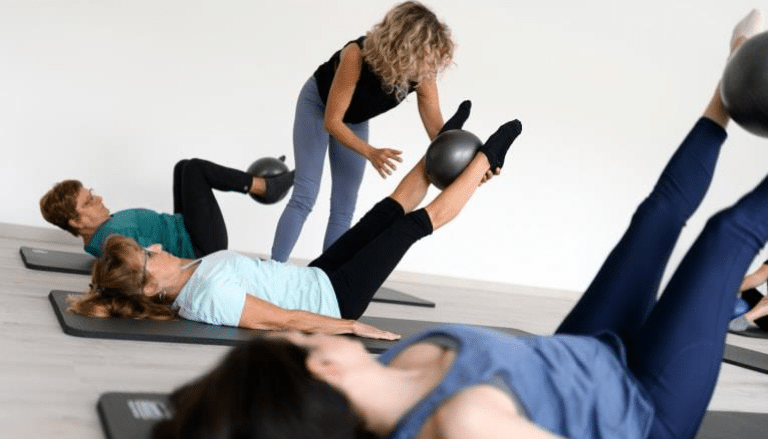
ToggleMat Pilates is a form of Pilates performed on a floor mat using your own body weight, rather than equipment like the reformer, to build core strength, improve flexibility, and support better posture. It’s a beginner-friendly, low-impact style of exercise that’s easy to start and doesn’t require any prior experience. At Pilates360, small group Mat Pilates classes run across both the Neutral Bay and St Leonards studios on Sydney’s Lower North Shore.
Quick Answer
Mat Pilates is a style of Pilates practised on a floor mat, using controlled, bodyweight-based movements to build core strength, improve flexibility, and support posture and balance. Classes are generally beginner friendly and can be adapted for prenatal, postnatal, or back pain needs. It’s commonly taught in small groups, such as the Mat Pilates classes offered at Pilates360’s Neutral Bay and St Leonards studios.
What Is Mat Pilates?
Mat Pilates is one of the original forms of Pilates, developed around bodyweight exercises performed on a padded floor mat. Unlike Reformer Pilates, which uses a spring-loaded machine for adjustable resistance, Mat Pilates relies on your own body weight and gravity to create resistance, with the instructor guiding you through a sequence of controlled, flowing movements.
Because it doesn’t rely on equipment, Mat Pilates is one of the most accessible entry points into Pilates — you can practise it in a studio, at home, or almost anywhere with a bit of floor space.
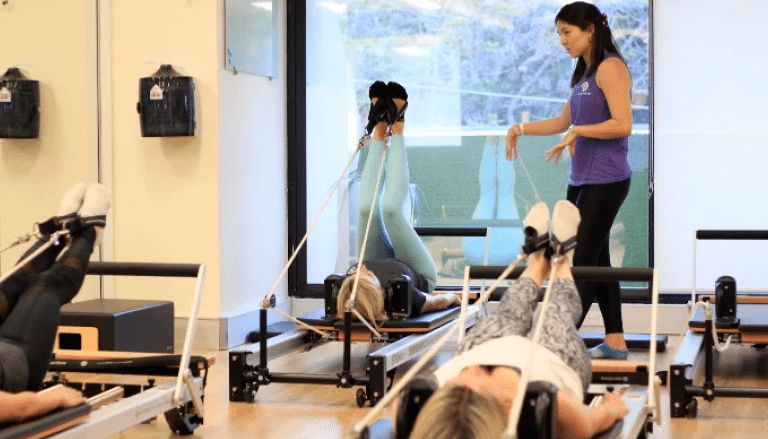
Mat Pilates vs Reformer Pilates: What’s the Difference?
| Feature | Mat Pilates | Reformer Pilates |
| Equipment | Floor mat only | Reformer machine with adjustable springs |
| Resistance | Bodyweight | Adjustable spring resistance |
| Beginner Friendly | Yes | Yes, with guided introduction |
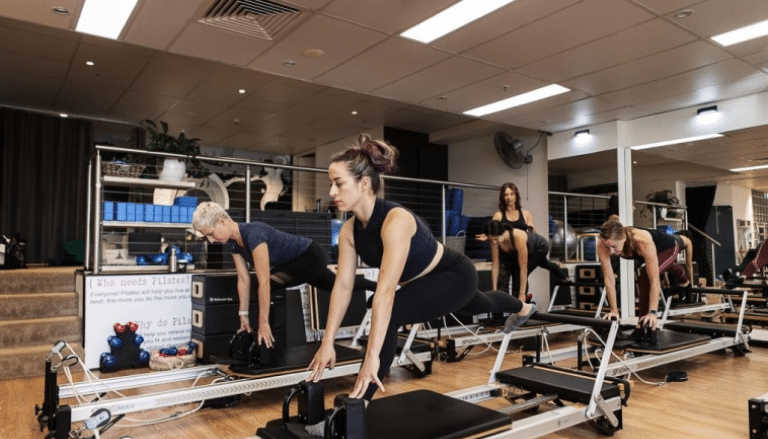
| Focus | Core control, flexibility, bodyweight strength | Full-body strength with adjustable resistance |
| Good Starting Point | Yes, especially for those new to exercise | Yes, particularly for those wanting more resistance variety |
Many people choose to do both styles, using Mat Pilates to build a strong foundation before progressing to Reformer Pilates, or alternating between the two.
Why Choose Pilates360 for Mat Pilates?
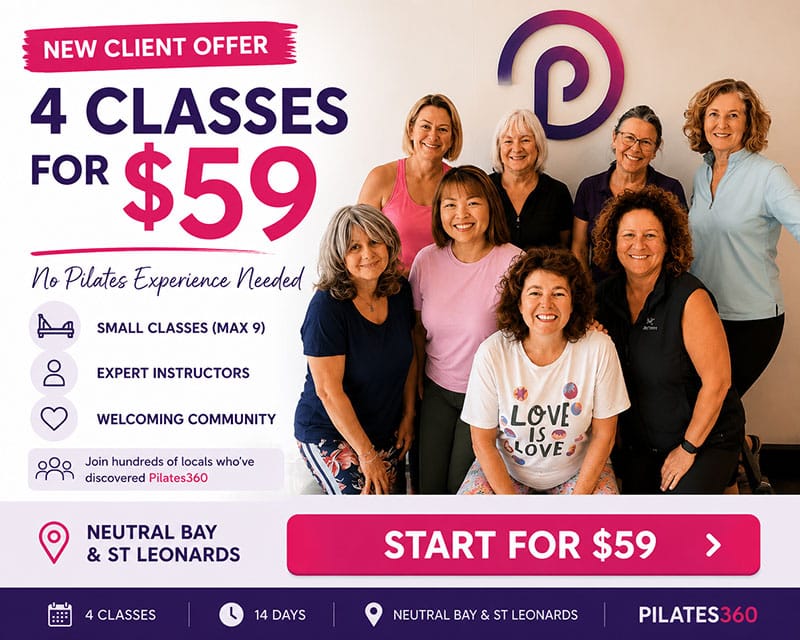
Pilates360 has been helping people move well on Sydney’s Lower North Shore since 2015, with small group Mat Pilates classes capped at a maximum of 9 people so instructors can give genuine, individual attention throughout each session. With 170+ Google reviews and studios in both Neutral Bay and St Leonards, Pilates360 is a well-established option for locals looking for small group Mat Pilates near them, whether they’re brand new to Pilates or returning to exercise after a break.
Benefits of Mat Pilates
While individual results vary, Mat Pilates is commonly associated with the following benefits.
| Benefit | What It May Involve |
| Core strength | Building stability through the abdominals, back, and pelvic floor using controlled bodyweight movement |
| Flexibility | Gently working through a fuller range of motion in the hips, spine, and shoulders |
| Better posture | Encouraging alignment habits that carry into everyday movement |
| Balance and coordination | Supporting stability through slow, controlled sequences |
| Body awareness | Helping you notice and adjust how you move day to day |
| Accessibility | No equipment required, making it easy to start and continue practising |
It’s worth noting that Mat Pilates is generally considered a supportive form of exercise rather than a substitute for medical treatment. Anyone managing an injury, chronic pain, or a specific health condition should check with their doctor or physiotherapist before starting.
Common Mat Pilates Exercises
A typical Mat Pilates class draws on a set of foundational exercise mat Pilates movements, adapted to suit the group’s ability level.
- The Hundred — a classic core-activating warm-up using controlled breathing and small arm pumps
- Pelvic curls — building strength through the glutes and lower back while supporting the spine
- Single leg stretch — building core control while coordinating opposite arm and leg movement
- Spine stretch forward — gently improving flexibility through the spine and hamstrings
- Side-lying leg series — supporting hip stability and control
- Modified plank variations — building whole-body strength with options to suit different ability levels
These are general examples only. In a real class, your instructor will select and modify exercises to suit the group’s experience level and any individual needs.
Who Should Try Mat Pilates?
Mat Pilates tends to suit a wide range of people, which is part of why it remains one of the most popular entry points into Pilates.
Good Candidates for Mat Pilates Include:
- Complete beginners looking for a low-cost, low-equipment way to start Pilates
- Adults returning to exercise after a break
- Busy professionals wanting an efficient, low-impact workout
- People managing everyday stiffness or postural discomfort
- Anyone wanting to build core strength before progressing to Reformer Pilates
Is Mat Pilates Good for Back Pain?
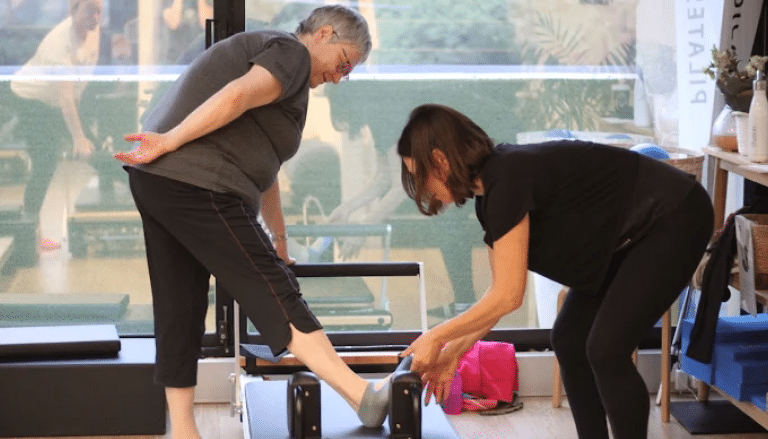
Mat Pilates may help support people managing general back discomfort by building core strength and encouraging better movement patterns, though it should be considered alongside, not instead of, professional medical advice. A qualified instructor can modify exercises to suit your current level of movement and comfort, and it’s important to let your instructor know about any back pain or injury before your first class.
Prenatal and Postnatal Mat Pilates
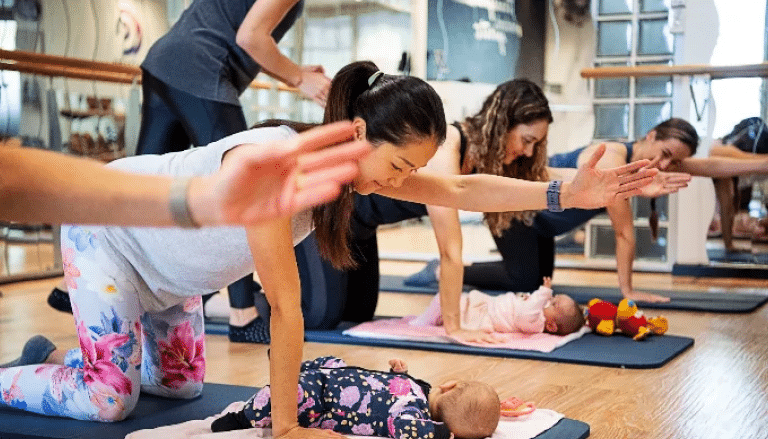
Mat Pilates is commonly chosen by clients during and after pregnancy, as exercises can be adapted to suit each trimester or stage of recovery. Prenatal and postnatal clients should always check with their doctor or obstetrician before starting or returning to exercise, and let their instructor know they’re pregnant or postnatal so the class can be modified appropriately.
What to Expect in Your First Mat Pilates Class
- A conversation first — your instructor will typically ask about your goals, any injuries, and relevant health history.
- A warm-up — gentle breathing and mobility exercises to prepare the body.
- Guided exercises — a sequence of mat-based movements, building from simple to more challenging as the class progresses.
- Ongoing modification — your instructor adjusts exercises throughout based on how you’re moving.
- A cool-down — gentle stretching to finish the class.
Common Mistakes to Avoid
- Holding your breath — breath is a core part of Pilates; try to keep it flowing with the movement.
- Rushing through exercises — Mat Pilates favours control and precision over speed.
- Not mentioning an injury or condition — instructors can only modify a class properly with full information.
- Comparing your pace to others in the class — everyone progresses differently, and that’s expected.
Pro Tips
- Wear comfortable, close-fitting activewear so your instructor can see your alignment.
- Bring a towel and water bottle, particularly for warmer classes.
- Focus on quality of movement over how many repetitions you complete.
- Ask your instructor about small group Mat Pilates class times that suit your schedule.
Mat Pilates Courses and Membership Options
Mat Pilates is generally offered as part of a broader class timetable, with options to suit different levels of commitment from single sessions to ongoing membership. If you’re new to Mat Pilates, starting with an introductory offer or a short course of classes is a good way to get a feel for the style before committing to an ongoing membership. Check the current timetable and pricing for up-to-date class times and membership options..
Frequently Asked Questions
- What is Mat Pilates?
Mat Pilates is a style of Pilates performed on a floor mat using bodyweight resistance and controlled movement, focused on building core strength, flexibility, and postural awareness.
- Do I need any equipment for Mat Pilates?
No, Mat Pilates only requires a mat, making it one of the most accessible forms of Pilates to start with.
- Is Mat Pilates suitable for beginners?
Yes, Mat Pilates is commonly recommended as a starting point for people new to Pilates, as exercises can be modified to suit any fitness level.
- Where can I find Mat Pilates classes on Sydney’s Lower North Shore?
Pilates360 offers small group Mat Pilates classes at Neutral Bay and St Leonards studios, making it easy to find a class on Sydney’s Lower North Shore.
- Is Mat Pilates good for back pain?
Mat Pilates may help support people managing general back discomfort by improving core strength and posture. If you have a diagnosed condition or persistent pain, consult your healthcare professional before starting.
- What’s the difference between Mat Pilates and Reformer Pilates?
Mat Pilates uses bodyweight resistance on a floor mat, while Reformer Pilates uses a spring-loaded machine for adjustable resistance. Many people incorporate both into their fitness routine.
- How many people are in a small group Mat Pilates class at Pilates360?
Mat Pilates classes at Pilates360 are limited to a maximum of 9 participants, allowing instructors to provide more personalised guidance and exercise modifications throughout the session.
Key Takeaways
- Mat Pilates is a bodyweight-based style of Pilates performed on a floor mat, requiring no equipment.
- It’s widely considered one of the most beginner-friendly ways to start Pilates.
- Common benefits may include improved core strength, flexibility, posture, and balance.
- It can be adapted for people managing back pain, or for prenatal and postnatal clients, with appropriate medical clearance.
- Small class sizes allow instructors to modify exercises to suit each person’s needs.
- Pilates360 offers small group Mat Pilates classes at St Leonards and studios on Sydney’s Lower North Shore.
Final Thoughts
Mat Pilates offers an accessible, effective way to build core strength, flexibility, and better movement habits, without needing any equipment or prior experience. Whether you’re completely new to exercise, returning after a break, or looking for a low-impact addition to your routine, it’s a style that can be adapted to suit where you’re currently at.
At Pilates360, small group classes across Neutral Bay and St Leonards mean instructors can get to know your goals and guide you through each session. If you’re curious whether Mat Pilates is right for you, the team is happy to help you find the right class.
Explore Mat Pilates classes at Pilates360, view the timetable, or get in touch with the team to find the right starting point.