Table of Contents
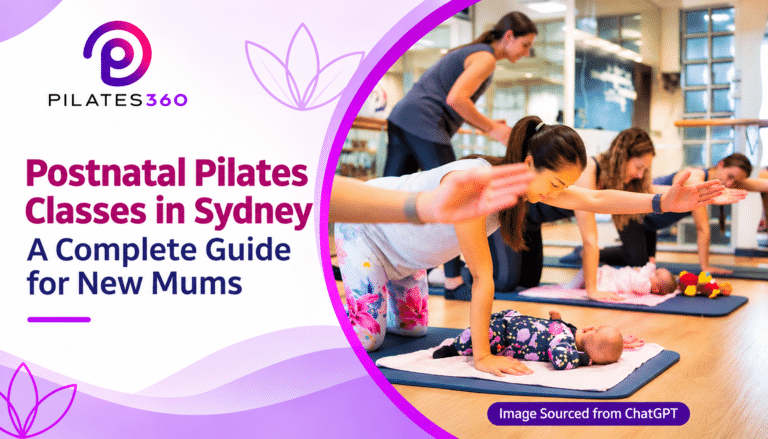
TogglePostnatal Pilates classes are gentle, low-impact Pilates sessions designed for the months after birth, with an instructor adjusting exercises to how your body feels. Many new mums use them to rebuild core and pelvic floor awareness, posture and strength, but when you start depends on your birth and recovery, so get clearance from your GP, obstetrician or women’s health physiotherapist first, often at the six-week check. Pilates360 offers pre and post natal Pilates on Sydney’s Lower North Shore, at its St Leonards and Neutral Bay studios, and has been helping people move well since 2015. This guide covers when to start, the benefits, what a class involves and how to begin.
What Is Postnatal Pilates?
Postnatal Pilates, also called postpartum Pilates or post-pregnancy Pilates, is Pilates adapted for the weeks and months after birth. The principles are the same as any Pilates class: controlled movement, breathing and alignment. The difference is in the adjustments. An instructor trained in pre and post natal Pilates starts with gentle work, changes positions to suit you and builds up gradually.
Classes can use the reformer, a spring-based piece of equipment that offers adjustable support and resistance, or a mat. Pilates360 runs pre and post natal Pilates alongside its regular small group classes, and one-on-one private sessions are an option if you want more individual attention. The studio’s FAQ page states that its instructors are pre and post natal trained.
Benefits of Postnatal Pilates
Yes, Pilates can suit many postpartum mothers when it is well instructed and medically cleared. Results vary from mum to mum, and postnatal Pilates is a supportive form of exercise, not a medical therapy. Commonly mentioned benefits include:
- Core and pelvic floor awareness. Pilates places a lot of attention on breathing and deep core control, which many women find helpful for understanding how these muscles work together.
- Posture. Strengthening the back and shoulders may support you through feeding, carrying and lifting.
- Strength. Gentle, gradual work builds strength in the legs, hips, arms and back for everyday tasks.
- Mobility. Controlled movement can help the body feel less stiff, without pushing into extreme stretches.
- Breathing and downtime. Many mums enjoy an hour that is calm, structured and just for them.
- Community. A small class with other new mums can be a welcome source of company and support.
When Can You Start Postnatal Pilates?
There is no single start date, because every birth and recovery is different. Many women begin after the six-week postnatal check, but only your own health professional can confirm that for you. Use this checklist before you start:
1. Get clearance first. Speak with your GP, obstetrician or women’s health physiotherapist. After a caesarean, a complicated birth or ongoing symptoms, they may suggest waiting longer or starting with specific guidance.
2. Tell your instructor everything. Share when and how you gave birth, any symptoms and how you are feeling.
3. Start gently. Begin with one or two classes a week and build up only if you feel well.
4. Know when to pause and get advice. Common reasons include leaking, a feeling of heaviness in the pelvis, pain, increased bleeding, doming along the tummy midline or dizziness. Ask your health professional for your own list.
5. Listen to your body. You can rest, modify or stop at any time, and broken sleep and breastfeeding both affect how you feel on the day.
Postnatal Reformer Pilates vs Mat Pilates
Both can work well for new mums, and the right choice depends on your comfort, goals and the guidance you would like.
| Postnatal Reformer Pilates | Postnatal Mat Pilates | |
| Equipment | Reformer with adjustable springs | Mat and small props |
| Support | Springs and straps offer adjustable support and resistance | Uses your own body weight |
| Feel | Often described as supportive, with plenty of options | Simple and focused on the fundamentals |
| Best for | Building strength with options for different levels | Learning the basics and practising at home |
| Beginner friendly | Yes, with good instruction | Yes |
Reformer Pilates is Pilates360’s main focus, so postnatal reformer Pilates is a natural fit if you like equipment that can be adjusted to you. Ask the team which class suits you and let them know how long ago you gave birth when you book.
What to Expect in a Postnatal Pilates Class
1. A conversation first. The instructor asks how you are feeling and whether you have been cleared to exercise.
2. A gentle warm-up. Breathing and light mobility prepare your body.
3. Core and pelvic floor awareness. The instructor guides your breathing and gentle deep core engagement with small, controlled movements.
4. Strength and mobility. You work through supported exercises for the legs, hips, back and shoulders, with options to make each one easier.
5. A cool-down. You finish with gentle stretching and time to settle.
Postnatal Pilates Classes in St Leonards and Neutral Bay
If you are searching for postnatal Pilates near you on the Lower North Shore, Pilates360 offers pre and post natal Pilates at its St Leonards and Neutral Bay studios, alongside its regular small group classes. New clients receive a personal welcome call, so the team can answer your questions and help you choose a class. The studios are an easy trip from Crows Nest, North Sydney, Cremorne and nearby suburbs.
- St Leonards: 45 Chandos Street, 5 minutes from the train station, with free parking at 88 Christie Street and a 5 minute walk.
- Neutral Bay: Unit 2A/211 Ben Boyd Road, about 2 minutes from the Big Bear bus stop, with free parking at Big Bear shopping centre and a 2 minute walk.
If you would rather start one-on-one, ask about a private session. If you are still pregnant, read our guide to prenatal Pilates classes.
Common Mistakes to Avoid
- Skipping medical clearance. Even gentle exercise needs your health professional’s agreement.
- Doing too much, too soon. High-intensity or crunch-style exercises are not always suitable in the early months.
- Holding your breath. Steady breathing is a core part of Pilates.
- Ignoring symptoms. Leaking, heaviness, pain or doming along the tummy midline are worth discussing with a health professional.
- Comparing yourself with others. Every recovery is different, and what suits one mum may not suit another.
Tips for Getting the Most From Your Classes
- Book a time that fits around feeds and sleep, because regular gentle sessions suit most mums better than occasional hard ones.
- Wear comfortable, stretchy activewear, choose a supportive top if you are breastfeeding, and bring water.
- Tell the instructor about any changes in how you feel between classes.
- Pair your classes with walking if your health professional agrees, so you also get some gentle aerobic activity.
- Ask about pelvic floor exercises, and consider seeing a women’s health physiotherapist if you have concerns.
How to Get Started
1. Speak with your GP, obstetrician or women’s health physiotherapist and get clearance to exercise.
2. Contact the studio to ask which postnatal classes suit you, and check the timetable.
3. Share your details when you book, including when you gave birth and any symptoms or concerns.
4. Wear comfortable activewear, bring water and arrive a few minutes early.
5. Start gently. Begin with one or two classes a week and build up as your energy returns.
Final Thoughts
Becoming a mum asks a lot of your body, and returning to exercise does not need to be rushed. Postnatal Pilates offers a steady, supportive way to move again, build strength for everyday life and meet other people at a similar stage. The most important steps are getting medical clearance, telling your instructor about your birth, and listening to your body, so you can stay strong for the life you want to live.
View the Pilates360 timetable or get in touch with the team about postnatal Pilates at the St Leonards or Neutral Bay studio, once you have spoken with your health professional.
Frequently Asked Questions
How Soon After Giving Birth Can You Start Pilates?
Most women wait until a GP, obstetrician or women’s health physiotherapist gives clearance, often at the six-week postnatal check. Timing varies with the type of birth and your recovery, and some people need longer, especially after a caesarean or complications. Once cleared, gentle postnatal Pilates with an instructor who adapts exercises can be a sensible way to return to movement.
Is Pilates Good for Postpartum Mothers?
Yes, Pilates can be a good option for many postpartum mothers when it is gentle, well instructed and medically cleared. It is low impact and emphasises breathing, posture, core control and pelvic floor awareness. Many new mums find the controlled pace and small group setting a supportive way to rebuild strength and confidence. Your comfort and energy levels should guide each class.
How Can Postnatal Pilates Support Core Strength After Pregnancy?
Postnatal Pilates may support core strength by teaching you to coordinate breathing with gentle deep abdominal and pelvic floor engagement. Exercises start small and progress gradually, so your trunk muscles, back and hips work together. Many people find this makes everyday tasks like lifting a baby feel more manageable. Progress is individual, so your instructor adjusts each movement to suit you.
Can Pilates Help Improve Abdominal Strength After Giving Birth?
Yes, Pilates may help improve abdominal strength after birth when you progress gradually and have medical clearance. Controlled exercises work the deep abdominals, obliques and surrounding muscles without high-impact strain. If you notice doming along your tummy midline, pain or leaking, tell your instructor and check in with a women’s health physiotherapist. Results vary from person to person.
What Is the 3-3-3 Rule for Postpartum Recovery?
The 3-3-3 rule is a popular, informal guide to the early postpartum period rather than an official medical rule. A common version suggests three days of rest and bonding, three weeks of gentle activity close to home, and three months of gradually returning to your usual routine. Versions differ, so use it as a pacing idea and follow your health professional’s advice.
How Often Should New Mums Practise Postnatal Pilates?
Many new mums start with one or two classes a week, then adjust as energy, sleep and confidence allow. Consistency usually matters more than frequency, and short, gentle sessions can be enough in the early months. Your instructor can help you choose a schedule that fits around feeds, naps and appointments. Rest days are part of a sensible routine.
What Are the Benefits of Postnatal Pilates for Pelvic Floor Strength and Stability?
Postnatal Pilates may support pelvic floor strength and stability by combining breath, posture and gentle core engagement. Many exercises encourage awareness of the pelvic floor working with the deep abdominals and hips. It does not replace an assessment, so if you experience leaking, heaviness or pain, see a women’s health physiotherapist. Your instructor can adapt movements as you progress.